Iran crisis escalates: Oil prices jump as attacks stop Strait of Hormuz shipping
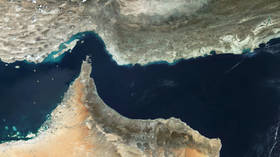
Oil prices hit multi-month highs this week as attacks on tankers disrupted shipping through the Strait of Hormuz, one of the world’s most critical energy chokepoints.
The US–Israeli war with Iran is now in its seventh day, with Washington and its ally expanding deadly strikes across the Islamic Republic. Tehran has responded with waves of missile and drone attacks on Israel and American targets in the region, warning that further retaliation could follow.
What’s happening to energy prices?
Brent crude topped $90 per barrel on Friday for the first time in almost two years, up over 6%, after US President Donald Trump demanded Iran’s unconditional surrender. West Texas Intermediate surpassed $87 for the first time since April 2024. Both benchmarks are up over 20% this week, as fears that disruptions to Gulf exports could limit global supplies continue to rattle markets.
Gas prices also spiked after Qatar halted LNG production following attacks on its energy facilities. Benchmark Dutch and British wholesale gas prices jumped over 50%, while Asian LNG prices rose almost 40%.
Why is the Strait of Hormuz important?
The strait carries about one-fifth of the world’s oil exports, as well as roughly 20% of its LNG, including shipments from Gulf producers such as Saudi Arabia, Iraq, the UAE, Kuwait and especially Qatar.
Tanker traffic through Strait of Hormuz down by 90%Analysis of vessel activity indicates tanker transits are now around 90% lower than last week. Matt Wright, Principal Freight Analyst at Kpler, explains: "Unlike several other vessel segments where movements have largely… pic.twitter.com/JIhFoAkQKO
— MarineTraffic (@MarineTraffic) March 4, 2026
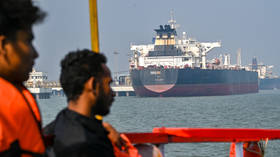
According to Iranian state media, a senior Iranian Revolutionary Guard commander said the strait is closed and that the IRGC would set any ship trying to pass through on fire. Iran technically cannot close the Strait of Hormuz, but the mere threat of retaliation has been enough to prevent ships from sailing through the waterway.

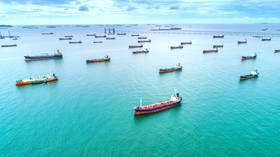
Around 300 ships, including oil and LNG tankers as well as cargo ships, remain at anchor in open waters according to Reuters estimates, based on ship-tracking data from the MarineTraffic platform.
China, which relies heavily on Middle Eastern energy supplies, is reportedly in talks with the Islamic Republic to ensure safe passage for crude oil and Qatari LNG tankers through the Strait of Hormuz.
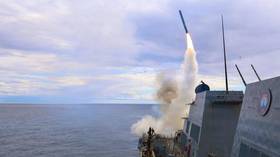
The conflict escalated on Wednesday when the US sunk an Iranian warship near Sri Lanka. The strike came as Trump pledged measures to protect energy shipments from the Middle East, including insurance support and potential naval escorts for tankers carrying oil and gas.
Trump said on Tuesday that the US Navy could begin escorting oil tankers through the Strait of Hormuz if necessary, adding that he had ordered the US International Development Finance Corporation to provide political risk insurance and financial guarantees for maritime trade in the Gulf.
US Energy Secretary Chris Wright called the waterway’s closure a temporary event, telling Fox News on Friday that the American navy, which “right now is focused on … disarming this Iranian regime” was preparing to escort ships through the Strait of Hormuz “as soon as it’s reasonable to do it … to get the energy moving again.”
Washington aims to take Iran’s vast oil reserves “out of the hands of terrorists,” National Energy Dominance Council Executive Director Jarrod Agen said in an interview with Fox News on Friday.
“What we want to do is get such massive oil reserves in Iran out of the hands of terrorists,” Agen said, adding that in the long run the US would no longer have to “worry about issues in the Strait of Hormuz.”
Russian President Vladimir Putin said the shipping disruptions could open opportunities for Russia to expand energy exports. “Against this backdrop, we can look for new buyers who have lost supplies that previously moved through the strait,” he said, suggesting Moscow could redirect oil and gas shipments to alternative markets as Gulf flows face a halt.
How are maritime insurers reacting?
The escalation in the Middle East has prompted several major marine insurers to withdraw war risk coverage for ships operating in Iranian waters and across the Gulf. Insurers including Gard, Skuld, NorthStandard, the London P&I Club and the American Club issued cancellation notices this week, affecting vessels entering high risk areas. Shipping companies now need to secure new coverage, reportedly at a significantly higher cost.
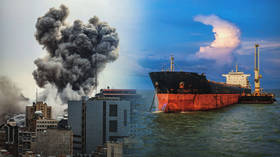
War risk premiums have surged sharply in recent days. Industry sources report that premiums have jumped from around 0.2% of a vessel’s value to roughly 1%, meaning coverage for a $100 million tanker could rise from about $200,000 to $1 million per voyage, depending on insurer and route. Some brokers note that extreme assessments could push costs even higher.
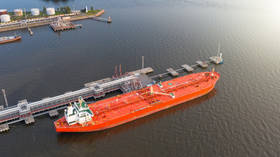
The disruption has also triggered a surge in tanker freight rates. Spot costs to charter very large crude carriers (VLCCs) on key Middle East routes have climbed sharply, reflecting both rising security risks and constraints on tanker traffic through the Strait of Hormuz.
What’s the outlook?
Banks, analysts and industry officials warn that energy markets could face much sharper price spikes if disruptions to shipping in the Gulf persist. UBS has raised its 2026 Brent outlook, citing the escalating conflict and the risk of further strikes on energy infrastructure, while analysts say the trajectory of prices will largely depend on whether tanker traffic can safely resume and whether the war deepens.
Producers are already under pressure. Analysts at JPMorgan Chase say a prolonged halt to Hormuz transits could quickly fill storage tanks across the region, forcing output cuts. Iraq has reportedly reduced production by about 1.5 million barrels per day, with deeper reductions possible as exports stall, while Kuwait has also begun curbing output after running out of storage capacity, according to The Wall Street Journal. Experts project that the UAE will be next to cut output.
Energy consultancies such as Wood Mackenzie estimate that crude could climb well above $100 per barrel if tanker flows through the Strait of Hormuz are not restored quickly, warning that disruptions could remove up to 20% of the global LNG supply and send gas prices sharply higher.
Qatar’s energy minister and chief executive of QatarEnergy Saad al Kaabi told the Financial Times that crude could surge to $150 per barrel within weeks if ships and tankers cannot pass through the waterway, while gas prices could quadruple. Even if the war ended immediately, it would take the country “weeks to months” to return to a normal cycle of deliveries, Kaabi added.